
Your Blueprint for Winning in Miami’s Competitive Commercial Real Estate Market
Effective commercial property negotiation tips can be the difference between a deal that drains your budget and one that drives your business forward. Since leases and operating costs are often the second-largest expense after payroll, strong negotiation skills directly impact your bottom line.
Quick Commercial Property Negotiation Tips:
- Start negotiations 12+ months before lease expiration
- Research market rates using multiple comparable properties
- Assemble a team including a tenant rep and commercial attorney
- Negotiate more than just rent – focus on TI allowances, CAM caps, and renewal terms
- Create competition by exploring multiple properties simultaneously
- Document everything in writing throughout the process
- Review all lease clauses carefully before signing
South Florida’s commercial real estate market is uniquely challenging. With Miami-Dade’s industrial vacancy rates under 4% and soaring rental prices, tenants need every advantage. Whether you need retail space in Doral, a warehouse in Medley, or an office in Hialeah, mastering negotiation is essential.
Many businesses negotiate poor leases due to a lack of market knowledge, infrequent negotiating experience, or no professional representation. Hidden costs like escalating CAM charges and unfavorable renewal terms can cost thousands over the lease term.
I’m Brett Sherman. I’ve helped South Florida businesses save over $200K through strategic lease negotiations and AI-driven market analysis. My expertise in commercial property negotiation tips shortens negotiation cycles from 45 to 28 days and increases tenant-side renewals by 35%.
Important commercial property negotiation tips terms:
- commercial lease agreement florida
- how long does it take to negotiate a commercial lease
- negotiating a commercial lease renewal
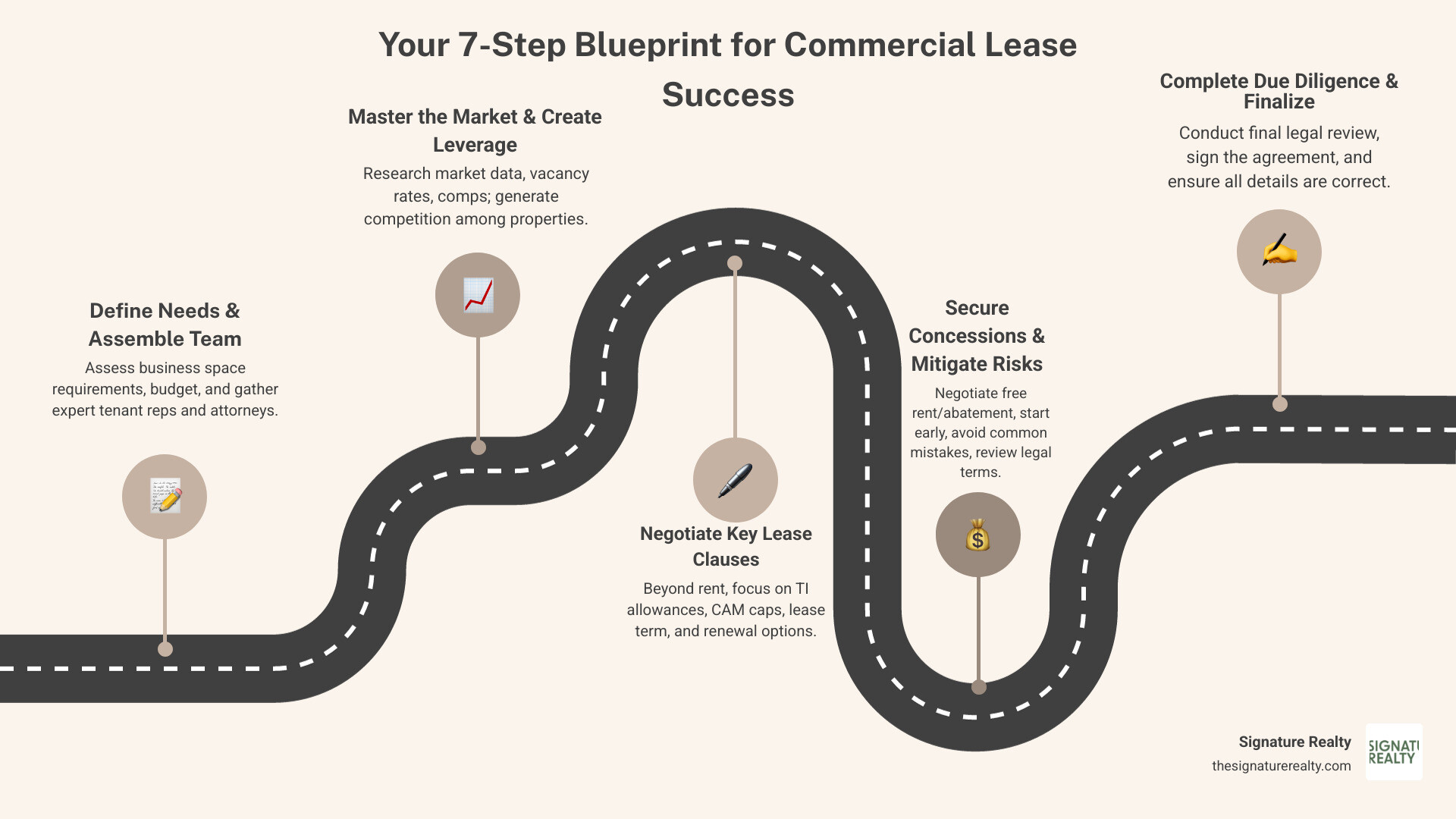
The 7-Step Framework: Essential Commercial Property Negotiation Tips
Navigating the commercial property landscape, especially in a dynamic market like South Florida, requires a structured approach. This seven-step framework will empower you during your next negotiation.
Step 1 & 2: Define Needs and Assemble Your Expert Team
Before looking at properties, clearly define what your business needs and who will help you achieve it.
Defining Your Business Needs
Don’t rush into a lease for a space that doesn’t fit your operations. Ask these key questions:
- Current Space Requirements: What square footage, layout, and specific features do you need (e.g., loading docks for a Medley warehouse, foot traffic for a Doral retail store)?
- Future Needs: Anticipate growth. Will you need room to expand? A shorter lease, while sometimes more expensive per square foot, offers flexibility.
- Budget: Calculate the “all-in” cost, not just base rent. Include renovations, moving expenses, legal fees, and potential downtime. Overlooking these hidden costs impacts profitability.
- Ideal Location: For a Doral retail business, visibility is key. For a Medley logistics company, highway access is paramount. Prioritize location over size; a smaller space in the right area is better than a large one in the wrong one.
Assembling Your Expert Team
Negotiating a commercial lease requires a specialized team.
- Commercial Real Estate Tenant Representative: A tenant rep works exclusively for you, providing market expertise and negotiation strategies to level the playing field. Since most businesses negotiate leases infrequently, a rep’s current market knowledge is invaluable. They guide you from start to finish, explaining terms like TI allowances and CAM charges. Landlords typically cover their commission, so there’s no direct cost to you. Learn more in our Commercial Real Estate Tenant Rep Complete Guide.
- Commercial Real Estate Attorney: This is non-negotiable. An attorney reviews the lease document to identify liability, ensure legal protections, and clarify your obligations. Skipping a legal review can lead to unexpected costs and legal battles.
- Accountant/Financial Advisor: They help assess the tax implications and ensure the lease fits your budget and cash flow.
- Contractor/Architect: If renovations are needed, bring them in early to assess costs and feasibility.

Step 3 & 4: Master the Market and Create Critical Leverage
Knowledge is power in negotiation. The more you know, the stronger your position.
Mastering the Market
Do your homework before visiting properties:
- Research Market Rents and Comps: Know what comparable properties in Miami, Doral, Hialeah, and Medley are leasing for. Use data from reputable market data sources to gauge if the asking rent is fair.
- Analyze Vacancy Rates: Low vacancy rates (under 4% for South Florida industrial) indicate a landlord’s market, while high rates signal a tenant’s market where concessions are more likely.
- Understand Landlord Motivations: Is the landlord anxious to fill a vacancy? Knowing their goals helps you tailor your offer and ask for incentives like a larger TI allowance.
- Property Research: Investigate the property’s history, tenant mix, and the landlord’s reputation to uncover hidden issues or negotiation points.
Creating Critical Leverage
Leverage comes from having options.
- Create Competition: This is one of the most powerful commercial property negotiation tips. Even if you love one space, submit proposals for multiple properties. Leveraging several offers creates competitive tension and encourages landlords to offer better terms.
- Document Everything: Rely only on written agreements. Keep a paper trail of all proposals, responses, and amendments to prevent misunderstandings.
- The Letter of Intent (LOI): Use this non-binding document to outline and negotiate key business terms like rent, lease term, and TI allowance before drafting the full lease.
- Make a Realistic Initial Offer: Your first offer should be strategic, typically 5-10% below your maximum price, leaving room to negotiate their counteroffer. Avoid unjustified lowball offers that can sour the deal.
Step 5: Key Commercial Property Negotiation Tips for Lease Clauses
A commercial lease is a complex document. Understanding its key points is vital to securing favorable terms.
Understanding Lease Types and Their Impact
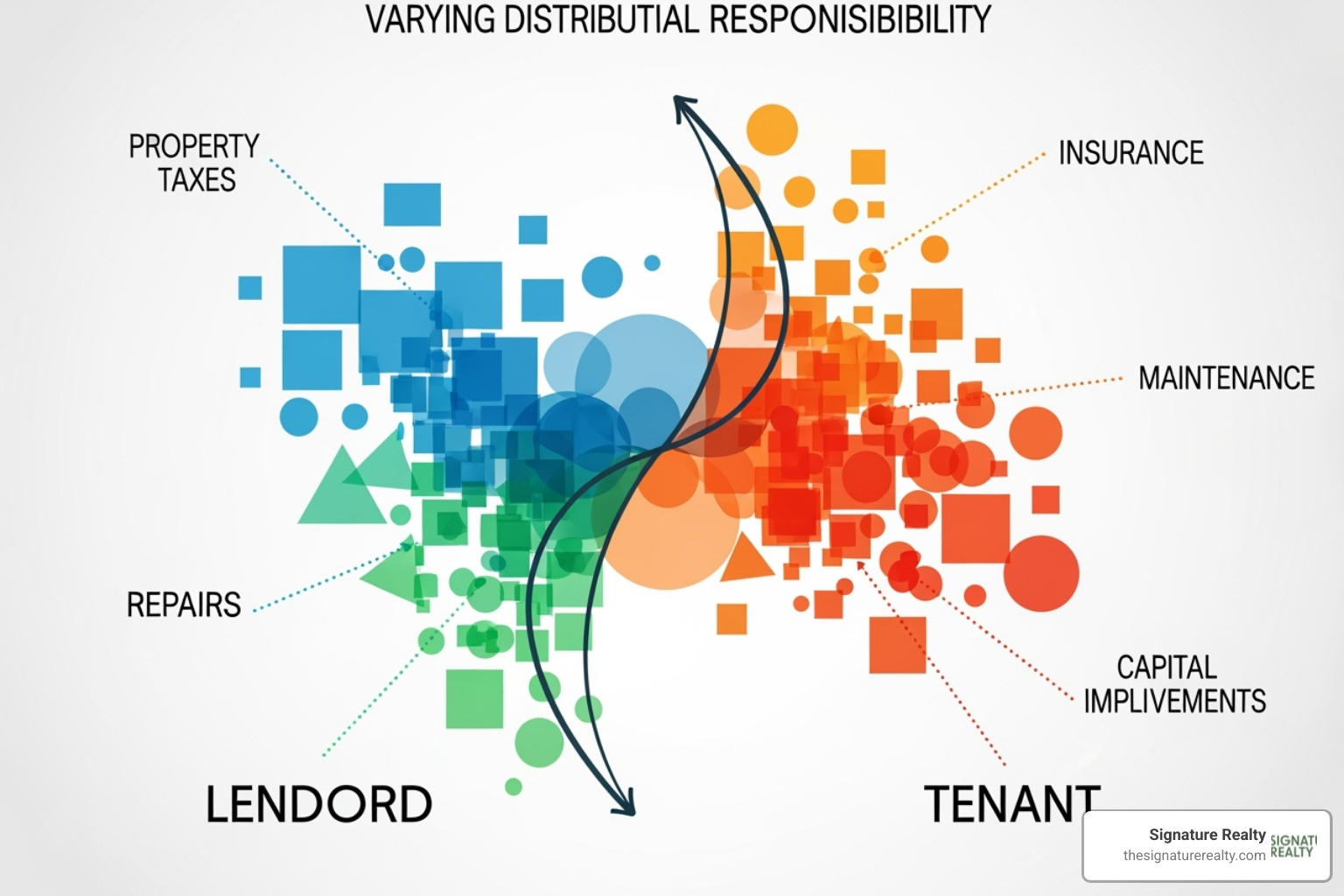
The lease type dictates who pays for operating expenses. Familiarize yourself with these common structures:
| Lease Type | Tenant Pays | Landlord Pays | Negotiation Impact |
|---|---|---|---|
| Gross Lease | Base rent (includes most operating expenses) | Property taxes, insurance, utilities, maintenance, CAM | Simpler for tenant, but negotiate what’s “included.” |
| Modified Gross | Base rent + some incidentals (e.g., utilities, janitorial) | Remaining property taxes, insurance, maintenance, CAM | Shared costs; negotiate specific expenses. |
| Net Lease (N) | Base rent + one incidental (e.g., property taxes) | Insurance, utilities, maintenance, CAM (remaining) | Tenant has more responsibility; negotiate caps. |
| Double Net (NN) | Base rent + property taxes + insurance | Utilities, maintenance, CAM (remaining) | Crucial to understand tax/insurance increases. |
| Triple Net (NNN) | Base rent + all operating expenses (taxes, insurance, CAM, etc.) | Structural repairs (roof, foundation) | Most common; crucial to negotiate caps on all operating expenses. |
| Percentage Lease | Base rent + percentage of gross sales | Varies, often similar to Gross or Modified Gross | Common in retail. Negotiate base rent, percentage, and sales threshold. |
Essential Negotiable Components
Virtually every clause is negotiable. Focus on these key areas:
- Rent: Base vs. Effective Rent: Look beyond the stated monthly rent. Calculate the “effective rent,” which accounts for incentives like free rent periods.
- Lease Term and Flexibility: A shorter term (2-3 years) with renewal options offers flexibility for startups, while a longer term can secure a better rate for established businesses.
- Tenant Improvement (TI) Allowance: This is the landlord’s contribution to customizing your space. Negotiate this robustly to avoid out-of-pocket costs.
- Common Area Maintenance (CAM) Costs: In NNN leases, these shared costs can escalate. Always request past statements, get an itemized list, and negotiate a cap on annual increases.
- Renewal Options: Negotiate renewal terms, including rent and expansion options (like a “right of first refusal”), upfront. Beware of auto-renewal clauses.
- Termination and Exit Clauses: Negotiate “lease kickout” clauses for events like reduced foot traffic. Ensure “force majeure” clauses include pandemics and that you have subleasing rights.
- Other Critical Clauses: Consider a Competitor Clause (vital for retail), cap your liability for the landlord’s legal costs, clarify redecoration duties, and understand your obligations for a Personal Guarantee.
We dig deeper into these points in our guide: How to Negotiate Commercial Leases That Favor Tenants.
Step 6: Secure Concessions and Avoid Common Mistakes
Push for maximum value and sidestep common pitfalls.
Securing Concessions
Landlords often offer incentives (“tenant inducements”) to reduce your upfront costs:
- Rent-Free Periods (Rent Abatement): Negotiate for a month or more of free rent during your initial setup. It’s a common concession that helps your cash flow. Learn more in How to Negotiate Free Rent for a Commercial Lease.
- Increased Tenant Improvement (TI) Allowance: A direct financial contribution from the landlord for your build-out.
- Reduced Security Deposit: Frees up your working capital.
- Landlord Contributions to Moving Costs: A possible perk for desirable tenants.
Avoiding Common Mistakes
Avoid these common pitfalls:
- Rushing the Process: Start negotiations at least a year before your lease expires. Urgency works against you and can lead to a bad deal.
- Forgoing Legal Review: Never sign a lease without a review from a specialized commercial real estate attorney. It’s a small cost to avoid major liabilities.
- Ignoring Renewal Terms: Negotiate renewal options upfront to avoid significant rent hikes or unfavorable terms later.
- Underestimating Your Negotiation Power: Even small businesses have leverage. With market knowledge and professional representation, you can secure better terms.
- Overlooking Hidden Fees: Get a complete breakdown of all costs, including administrative fees, utility charges, and tax increases.
- Failing to Document Everything: Verbal agreements are worthless. Get all promises in writing.

Step 7 & Beyond: Finalizing Your Lease and Partnering for Success
You’ve negotiated a fantastic deal. Now, cross the finish line with confidence.
The Due Diligence Process
Before signing, verify everything:
- Property Tax and Utility Bills: Request past bills to project future costs, especially for NNN leases.
- Repair and Improvement Records: These can reveal ongoing issues with the property.
- Environmental Assessments: Crucial for industrial properties in areas like Medley.
- Building Condition Assessment: Have a professional inspect the structure, HVAC, roof, and other major systems.
- Appraisal: Confirms the property’s market value.
- Title Search: Uncovers liens, easements, or other encumbrances.
- Zoning and Permits: Independently verify that zoning allows your business use and that all permits are in place.
Final Legal Review and Signing
After due diligence, your attorney will conduct a final review to ensure all negotiated terms are accurately reflected in the lease. They will confirm your interests are protected before you sign. If purchasing, ensure your bank has approved financing before waiving due diligence conditions to avoid being locked in without funding.
The Signature Realty Advantage
At Signature Realty, we empower your business for long-term success in Miami, Doral, Hialeah, and Medley. With over 13 years of tenant representation experience, we offer exclusive off-market deals. Our data-driven strategies and proprietary AI deal analyzer streamline negotiations and maximize your outcome. We don’t just find you a space; we find the right space on the right terms. Our track record of saving clients over $2 million in lease negotiations speaks for itself. Let us be your trusted partner.
Ready to find the ideal commercial property and negotiate terms that truly benefit your business?
Explore our available commercial lease properties.